

Nature operates through a brutal yet perfectly balanced system of energy transfer daily. Every organism survives by consuming another living entity. Survival depends entirely on a structured sequence of continuous eating and being eaten across diverse environments.
Biologists track these complex energy pathways to understand ecological stability. Observers often notice similar patterns forming within different ecosystems worldwide. Studying a food chain and its type reveals how energy sustains both terrestrial and aquatic life.
Scientists carefully define these specific natural pathways by closely examining their foundational starting points. Plants create their own cellular energy using direct solar radiation. Such organisms form the essential base of the entire biological ecosystem.
Herbivores eat the green vegetation to gain vital nutrients for daily survival. Carnivores subsequently hunt and consume the plant-eating animals. Apex predators eventually dominate the ecosystem by hunting smaller carnivores across the vast region.
Decomposers finally break down animal remains to return soil nutrients efficiently. Microorganisms ensure growing plants can thrive again next season. Understanding the grazing food chain definition clarifies how energy cycles continuously through our environment.
Ecological balance relies heavily on the steady flow of vital organic nutrients. The importance of food chain mechanics cannot be easily overstated by working scientists. Population control happens naturally when dominant predators hunt specific prey.
Herbivore populations would quickly destroy all available green vegetation without apex predators. Such rapid destruction would inevitably lead to massive starvation events globally. Energy pathways prevent the catastrophic overpopulation of any single animal group.
Scientists study these intricate biological networks to monitor overall environmental health accurately. Hazardous chemicals often accumulate heavily as they move up the energy ladder. Tracking these hidden connections helps biologists protect vulnerable endangered species effectively.
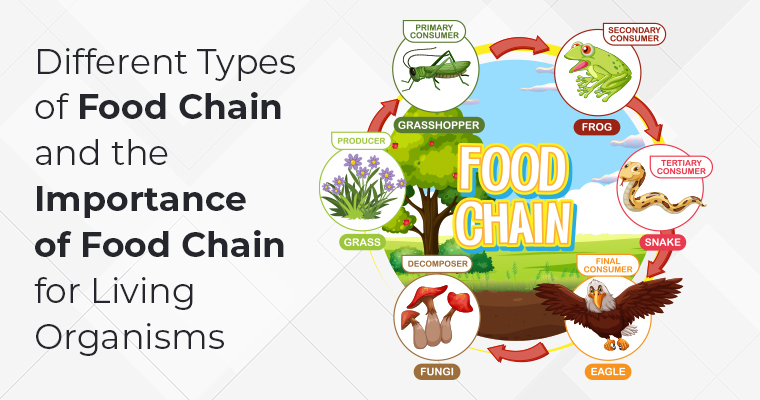
Sunlight allows field grass to grow and produce harvestable cellular energy continuously. The green grass serves as the foundational primary producer here. Hungry grasshoppers eat the fresh grass blades to gather necessary survival energy.
Insects convert raw plant matter into easily digestible animal protein quite rapidly. Frogs capture the flying insects using their long, sticky tongues. Amphibians absorb the cellular energy previously stored by the smaller hopping grasshopper.
Snakes actively hunt and consume the vulnerable frogs hiding in the thick vegetation. Energy moves further up the biological hierarchy through continuous predation. A terrestrial food chain example often concludes with large birds of prey.
Every single living creature plays a vital part in ongoing global survival. The conclusion of food chain studies highlights our shared human responsibility. We must aggressively protect remaining natural habitats to ensure sustainable energy flow.
At Gitanjali International School (GIS), we believe in delivering comprehensive environmental education. Being the best school in Punjab, strive to raise highly aware citizens who respect fundamental planetary boundaries. Our curriculum integrates crucial ecological concepts into daily student learning seamlessly.


For more information, please contact us. Our friendly staff will be happy to assist you. We look forward to welcoming your child to Gitanjali International School.
Gitanjali International School is among the list of best schools in Ludhiana. We are committed to providing quality education. Our world-class infrastructure and expert faculty ensure your child’s success. Join GIS, one of the leading CBSE affiliated schools in Ludhiana, and give your child the best education.
GIS stands tall in the list of schools in Ludhiana. We are proud to be recognized as Ludhiana’s best school. Choose GIS for a bright and successful future for your child. Visit us today and experience the difference.